Artificial Turf Guide November 18, 2023 1 min read
The Environmental Truth About Artificial Turf
Honest assessment of artificial grass environmental impact. Water savings vs. manufacturing footprint, recyclability, and eco-friendly options.
FT&G
Fairway Turf & Greens
Turf Expert
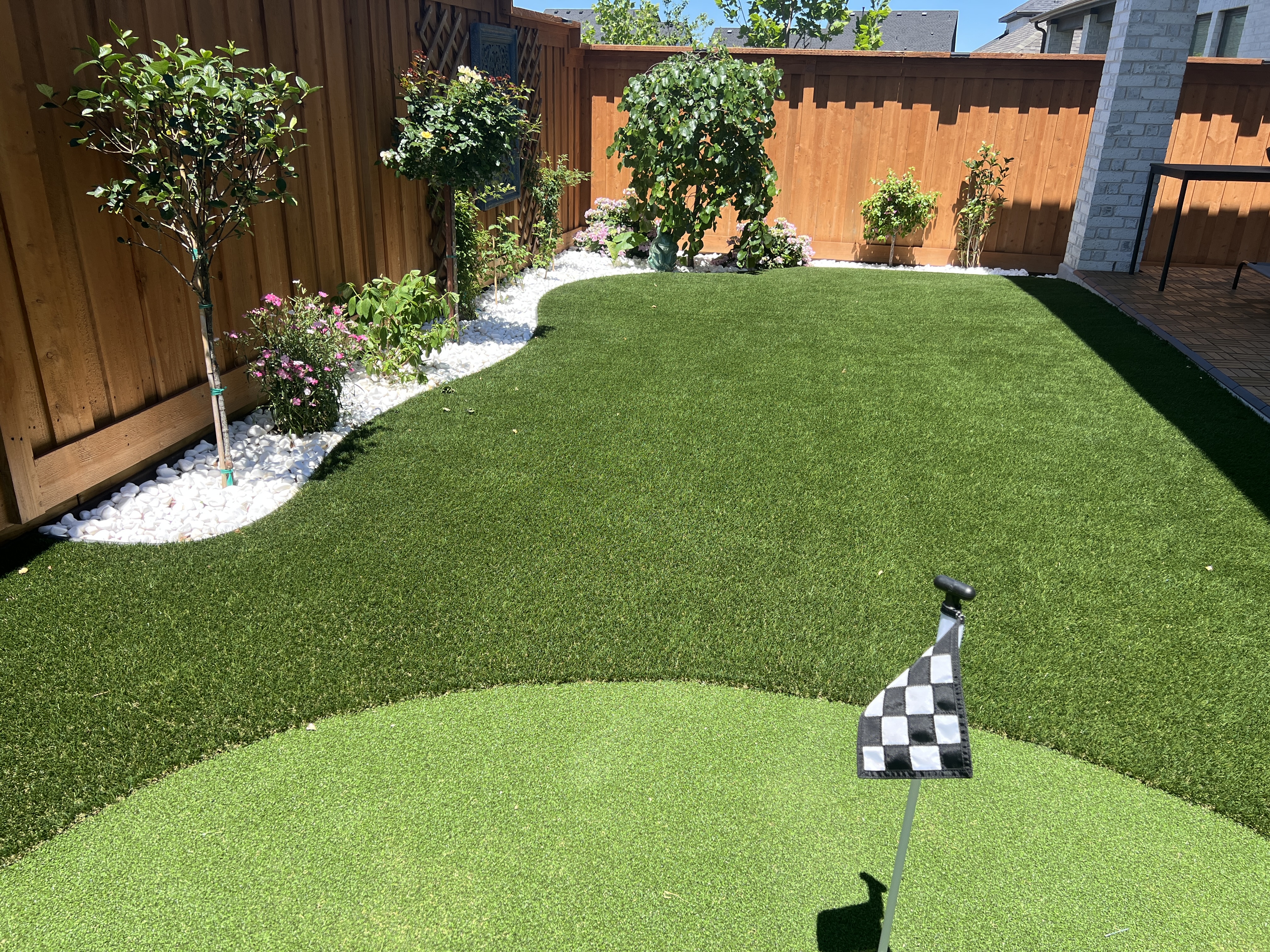
Environmental impact of artificial turf is nuanced. Here’s an honest, balanced assessment.
Environmental Benefits
Water Conservation
- 50,000-80,000 gallons saved annually per lawn
- Critical in water-stressed Texas
- Reduces treatment plant demand
- Preserves aquifer resources
Chemical Elimination
- No fertilizers running off into waterways
- No pesticides affecting insects and wildlife
- No herbicides polluting groundwater
Emissions Reduction
- No weekly mower emissions
- No leaf blower pollution
- Reduced landscape service vehicle trips
Environmental Concerns
Manufacturing Footprint
- Petroleum-based materials
- Energy-intensive production
- Transportation from manufacturing
End-of-Life
- Not biodegradable
- Recycling programs limited
- Landfill concerns after 15-20 year lifespan
Heat Island Effect
- Absorbs and radiates heat
- Less cooling than natural grass
- Mitigated with cooling technology
The Bottom Line
In water-stressed regions like Texas, water savings typically outweigh other environmental concerns. The calculation varies by location.
Eco-Friendly Choices
- Choose recycled-content turf
- Select manufacturers with sustainability programs
- Plan for proper end-of-life recycling
- Consider partial turf/natural landscape hybrid
Make an informed choice. Discuss options with our team.
Category: Artificial Turf Guide