Artificial Turf vs Real Grass: Which Is Right for Your Texas Lawn?
Comparing artificial turf to natural grass in Dallas-Fort Worth. Analyze costs, maintenance, water usage, appearance, and environmental impact to make the best choice for your home.
Fairway Turf & Greens
Turf Expert
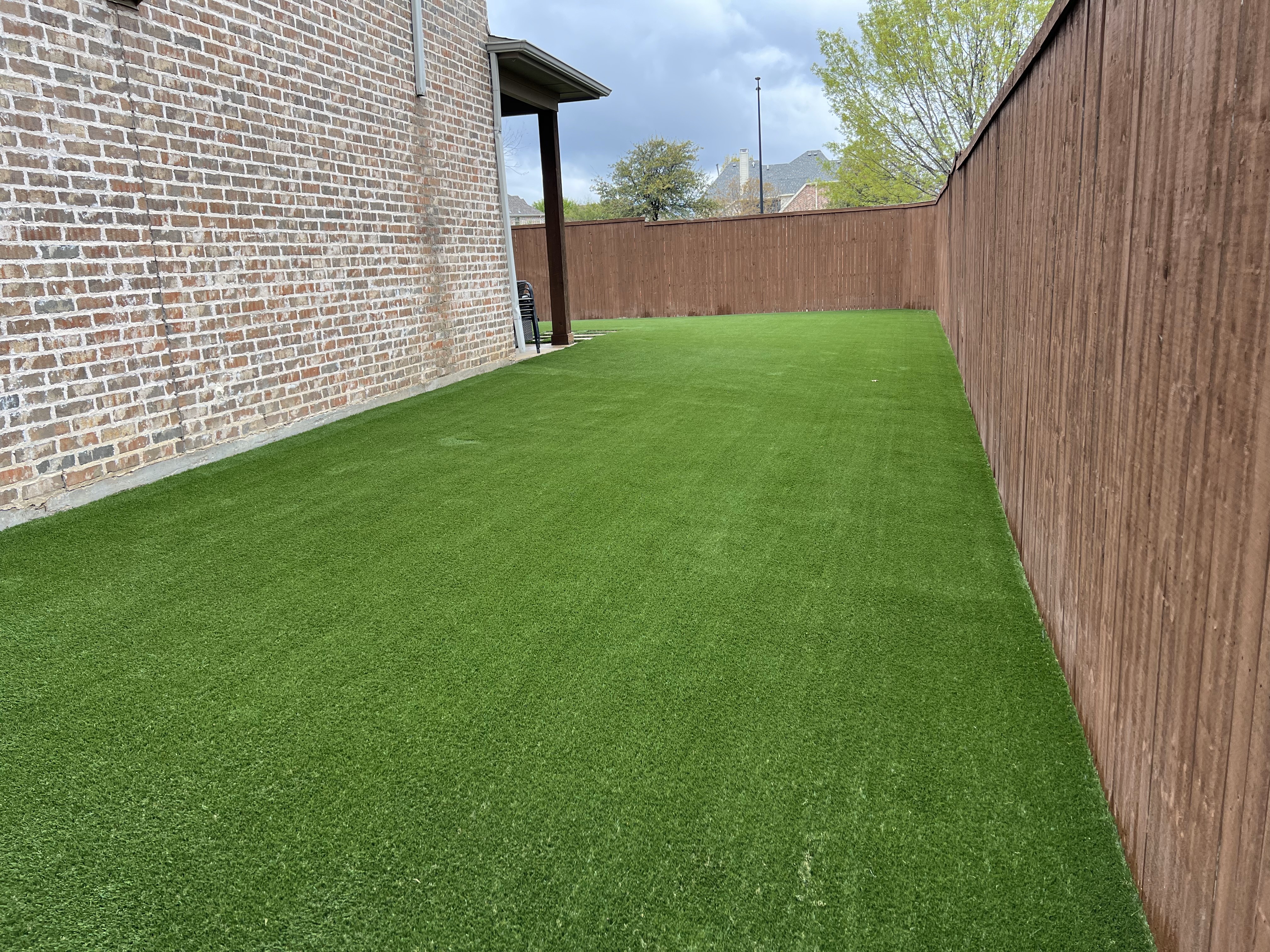
The artificial turf vs real grass debate has a clear answer for many Dallas-Fort Worth homeowners—but it depends on your priorities, budget, and lifestyle. Let’s break down the honest pros and cons of each option.
The Quick Comparison
| Factor | Natural Grass | Artificial Turf |
|---|---|---|
| Upfront cost | $2-4/sq ft | $8-15/sq ft |
| Annual maintenance | $2,000-4,000 | $0-100 |
| Water usage | 50,000+ gal/year | Zero |
| Lifespan | Ongoing | 15-20 years |
| Appearance | Variable | Consistent |
| Summer performance | Often brown | Always green |
Cost Analysis: The Real Numbers
Natural Grass Costs (Per Year)
For a 2,000 sq ft lawn in DFW:
- Water: $800-1,500 (summer months are brutal)
- Lawn service: $1,200-2,400 ($100-200/month)
- Fertilizer/weed control: $200-400
- Pest treatment: $150-300
- Reseeding/sodding: $200-500 (periodic)
Annual total: $2,550-5,100
Artificial Turf Costs
- Installation: $16,000-30,000 (one-time)
- Annual maintenance: $0-100 (occasional rinse)
Break-even point: 4-6 years
After year 6, you’re saving $2,500-5,000 annually with artificial turf.
Water Usage: A Texas Reality
Dallas-Fort Worth faces periodic drought conditions and water restrictions. Consider these facts:
- A typical lawn needs 1-2 inches of water per week in summer
- That’s 50,000-100,000 gallons annually for a modest yard
- Summer water bills can exceed $300/month for irrigation
- Watering restrictions often mean brown, stressed lawns anyway
Artificial turf requires zero irrigation—ever. During droughts, your lawn stays green while neighbors’ lawns go brown or face watering violation fines.
Maintenance Comparison
Natural Grass Requirements
Weekly or bi-weekly during growing season:
- Mowing (45+ minutes)
- Edging
- Watering (daily in summer)
- Weed pulling
- Fertilizing (monthly)
- Pest monitoring
- Aeration (annual)
- Overseeding (annual)
Artificial Turf Requirements
Monthly or as needed:
- Remove debris with leaf blower
- Rinse with hose
- Brush high-traffic areas
Time commitment: Natural grass demands 4-6 hours weekly in peak season. Artificial turf needs 30 minutes monthly.
Appearance: Realistic vs. Perfect
Natural Grass
- Looks beautiful when healthy
- Brown spots from pet urine, foot traffic, shade
- Goes dormant (brown) in winter
- Struggles under trees
- Patchy areas common in Texas heat
Modern Artificial Turf
- Consistent color year-round
- Multiple blade colors mimic real grass
- Realistic texture and feel
- Stays green in shade, sun, and traffic areas
- Never needs recovery time after events
Honest note: The best natural grass on a perfect day looks amazing. But Texas weather rarely allows for perfect grass. Artificial turf looks great every day.
Environmental Considerations
This is where opinions vary. Here’s the data:
Natural Grass Environmental Impact
Positives:
- Produces oxygen
- Sequesters carbon
- Provides habitat for insects
Negatives:
- Requires 50,000+ gallons of water annually
- Needs chemical fertilizers and pesticides
- Gas-powered mowers emit pollutants
- Runoff carries chemicals into waterways
Artificial Turf Environmental Impact
Positives:
- Zero water consumption
- No chemical treatments needed
- No emissions from mowing
- Made from recycled materials (many brands)
Negatives:
- Not biodegradable (but lasts 15-20 years)
- Manufacturing has environmental footprint
- Heat island effect (mitigated with cooling tech)
Bottom line: In water-stressed Texas, artificial turf’s water savings often outweigh other environmental concerns.
Heat: The Texas Factor
Let’s address the elephant in the room: heat.
Natural grass stays cool because it’s alive and releases moisture. Artificial turf can get hot—really hot—in direct summer sun.
The reality:
- Standard turf can reach 150°F in peak sun
- Modern CoolFlo technology reduces temps by 15-20°F
- Shaded areas stay comfortable
- Morning and evening temps are fine
- You’re probably not walking barefoot at 2 PM anyway
We install turf specifically designed for Texas heat, and most customers find heat a non-issue in normal use.
Who Should Choose Natural Grass?
Natural grass might be better if you:
- Love lawn care as a hobby
- Have unlimited water budget
- Want to maintain a “show lawn” lifestyle
- Have deep shade where even turf struggles
- Plan to sell within 2-3 years (may not recoup investment)
Who Should Choose Artificial Turf?
Artificial turf is ideal if you:
- Value your weekend time
- Want consistent curb appeal
- Have dogs or heavy foot traffic
- Face water restrictions or high water costs
- Want low-maintenance outdoor living
- Plan to stay in your home 5+ years
- Have shady areas that kill natural grass
The Hybrid Approach
Many homeowners choose both:
- Front yard: Natural grass for curb appeal
- Backyard: Artificial turf for living space
Or:
- Main lawn: Artificial turf
- Garden beds: Natural plants and flowers
This gives you the best of both worlds—some living landscape with low-maintenance play and entertainment areas.
Making Your Decision
Ask yourself:
- How do you use your yard? Heavy use favors artificial turf.
- What’s your maintenance tolerance? Hate yard work? Go artificial.
- What’s your budget timeline? Higher upfront, lower long-term with artificial.
- How important is water conservation? Very? Artificial wins.
- Do you have pets? Artificial turf is usually better for dogs.
See the Difference Yourself
We’re happy to show you turf samples and explain options for your specific situation. There’s no pressure—just honest advice about what works best for your home.
Call (469) 971-6298 or request a free consultation.
Whether you choose artificial turf or stick with natural grass, we want you to make an informed decision.