Artificial Turf Guide April 10, 2024 1 min read
Artificial Grass for Allergies: A Breath of Fresh Air
Reduce outdoor allergies with artificial turf. Learn how synthetic grass eliminates pollen, mold, and other lawn allergens.
FT&G
Fairway Turf & Greens
Turf Expert
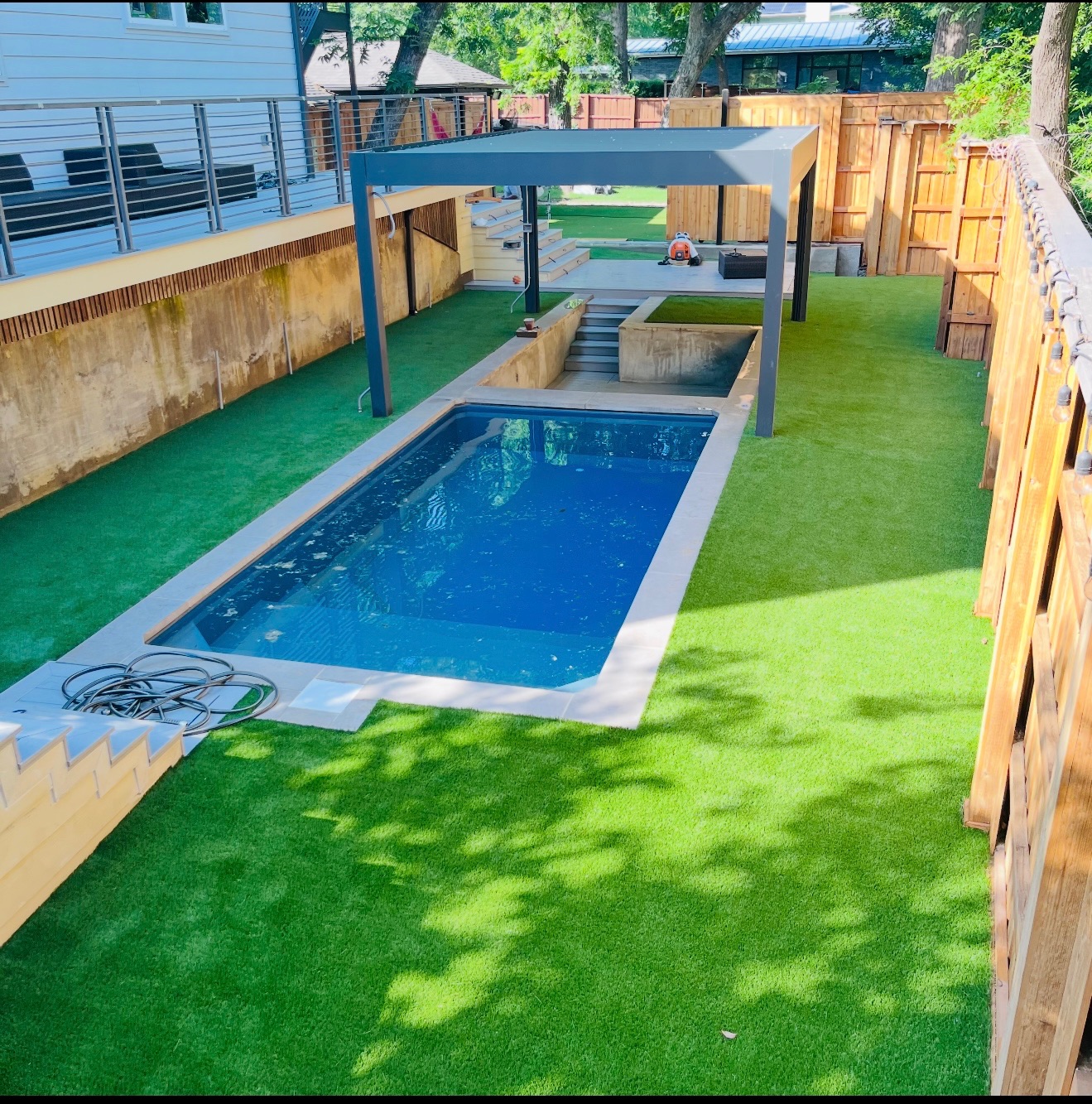
Seasonal allergies make outdoor living miserable for millions. Artificial turf significantly reduces allergen exposure.
Common Lawn Allergens
Natural grass produces or harbors:
- Grass pollen: Peak spring through fall
- Mold spores: Thrives in moisture
- Dust mites: Live in organic debris
- Weed pollen: From lawn invaders
How Artificial Turf Helps
No Pollen Production
Synthetic grass is pollen-free. Zero contribution to seasonal allergies.
Reduced Mold
Without organic matter and constant moisture, mold has nowhere to grow.
Easy Cleaning
Allergens can be rinsed away. Can’t do that with natural grass.
No Fertilizers or Pesticides
Chemical treatments often worsen allergy symptoms. Turf needs none.
Family Benefits
- Kids can play outside during peak allergy season
- Pets bring fewer allergens indoors
- Outdoor entertaining without sneezing fits
- Reduced medication needs for many families
Not Completely Allergy-Free
Be aware:
- Airborne pollen still lands on turf
- Nearby natural areas produce allergens
- Regular rinsing maximizes allergy relief
Breathe easier outdoors. Install allergy-friendly turf.
Category: Artificial Turf Guide